Haram City
- The Grand Mosque
- The Grand Mosque Services
- Sacred Attractions
- Holy Sites
- Hotel Stays
- Local Shopping
- Dining Options
The Grand Mosque provides many services to support pilgrims during worship and movement. These include Zamzam water stations, prayer areas, wheelchair access, escalators, elevators, guidance signs, security support, cleaning teams, medical points, and crowd control systems. Pilgrims can also find Qur’an copies, multilingual directions, shaded areas, and organized entry points. These services help visitors perform their rites with safety, comfort, and better access, especially during busy Hajj, Ramadan, and Umrah seasons.
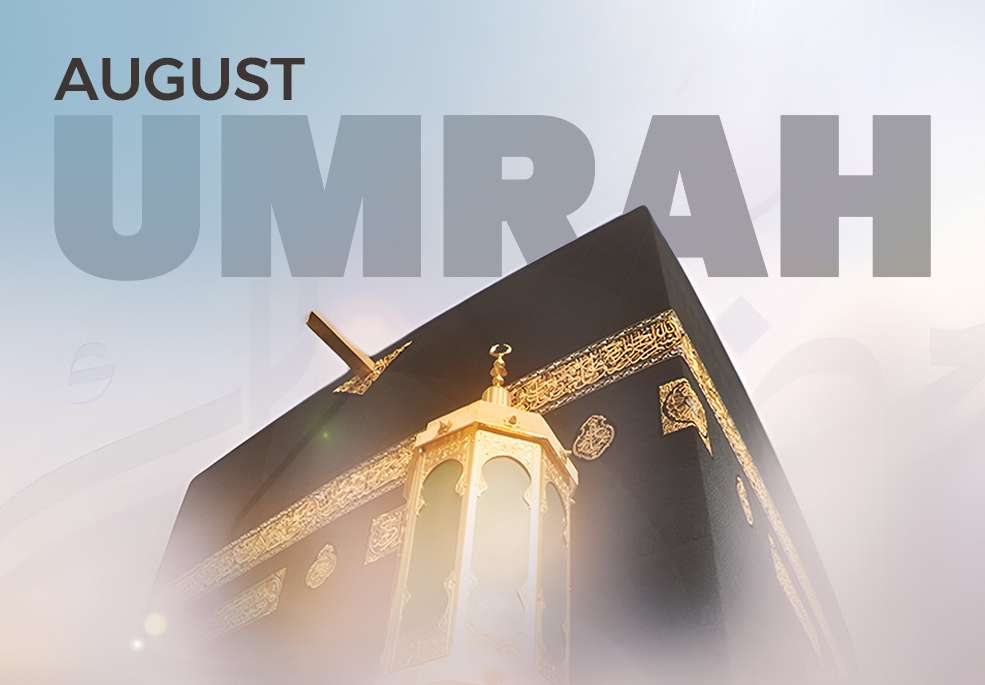
Masjid Al Haram, also known as the Grand Mosque of Makkah, is the most sacred mosque in Islam and the central place of worship for pilgrims. It surrounds the Holy Kaaba, where Muslims perform Tawaf during Hajj and Umrah. The mosque includes large prayer areas, expanded courtyards, Mataf space, entrances, gates, minarets, and service zones designed to manage millions of worshippers. Pilgrims come here for prayer, Tawaf, reflection, and connection with the sacred history of Islam.
Makkah offers important religious and historical attractions connected to the life of Prophet Muhammad, peace be upon him, and the journey of Islam. Visitors often explore places such as Jabal Al Noor, Cave Hira, Jabal Thawr, Mina, Arafat, and Muzdalifah. Each location carries spiritual meaning and helps pilgrims understand the history behind Hajj, revelation, sacrifice, patience, and devotion. These attractions are especially valuable for families, students, and first-time pilgrims seeking a deeper religious experience.
The holy sites of Makkah include Masjid Al Haram, the Kaaba, Safa and Marwah, Mina, Arafat, and Muzdalifah. These places are central to the rituals of Hajj and Umrah. Pilgrims walk between Safa and Marwah during Sa’i, gather in Arafat on the main day of Hajj, stay in Mina, and pass through Muzdalifah. Each site has a specific role, religious value, and connection to worship, making Makkah the main destination for sacred travel in Islam.
Shopping in Makkah gives pilgrims access to prayer items, Ihram clothing, abayas, dates, perfumes, Qur’an copies, prayer mats, tasbeeh, gifts, and souvenirs. Markets and shopping centers near the Haram serve both local residents and international visitors. Many travelers buy religious gifts for family and friends after completing Umrah or Hajj. Popular shopping areas include malls, hotel retail floors, street shops, and traditional markets where pilgrims can find practical items for worship and memorable keepsakes.
Makkah has a wide range of restaurants and cafes serving pilgrims from many countries. Visitors can find Saudi, Middle Eastern, South Asian, Turkish, Indonesian, African, and international food options near the Haram and hotel districts. Many restaurants offer halal meals, family seating, takeaway service, breakfast options, and group dining. Cafes provide tea, coffee, juices, snacks, and light meals for pilgrims between prayers. During busy seasons, location and quick service are important for travelers with fixed schedules.